


Hyaluronic acid
The key molecule behind our treatments


Tendinopathy refers to pain and dysfunction of a tendon, the tough band of tissue that connects muscle to bone.
Tendinopathy can affect anyone, but it’s especially common among athletes, manual workers, and people with repetitive movement patterns.¹ The most frequently affected sites are the Achilles tendon, rotator cuff (shoulder), patellar tendon (knee), and extensor tendon (forearm).
It often develops when a tendon is overused or overloaded, leading to microscopic damage and degeneration.
Healthy tendons are strong, flexible, and built to withstand tension. When overloaded or repeatedly stressed, they can develop small tears and lose their normal structure. Over time, this leads to:1
The result is a cycle of pain, reduced function, and delayed healing, which can become chronic if left untreated.
Tendinopathy usually results from a mix of mechanical stress and biological vulnerability.
Key contributors include:1
Identifying and modifying these risk factors is essential to support long-term recovery.

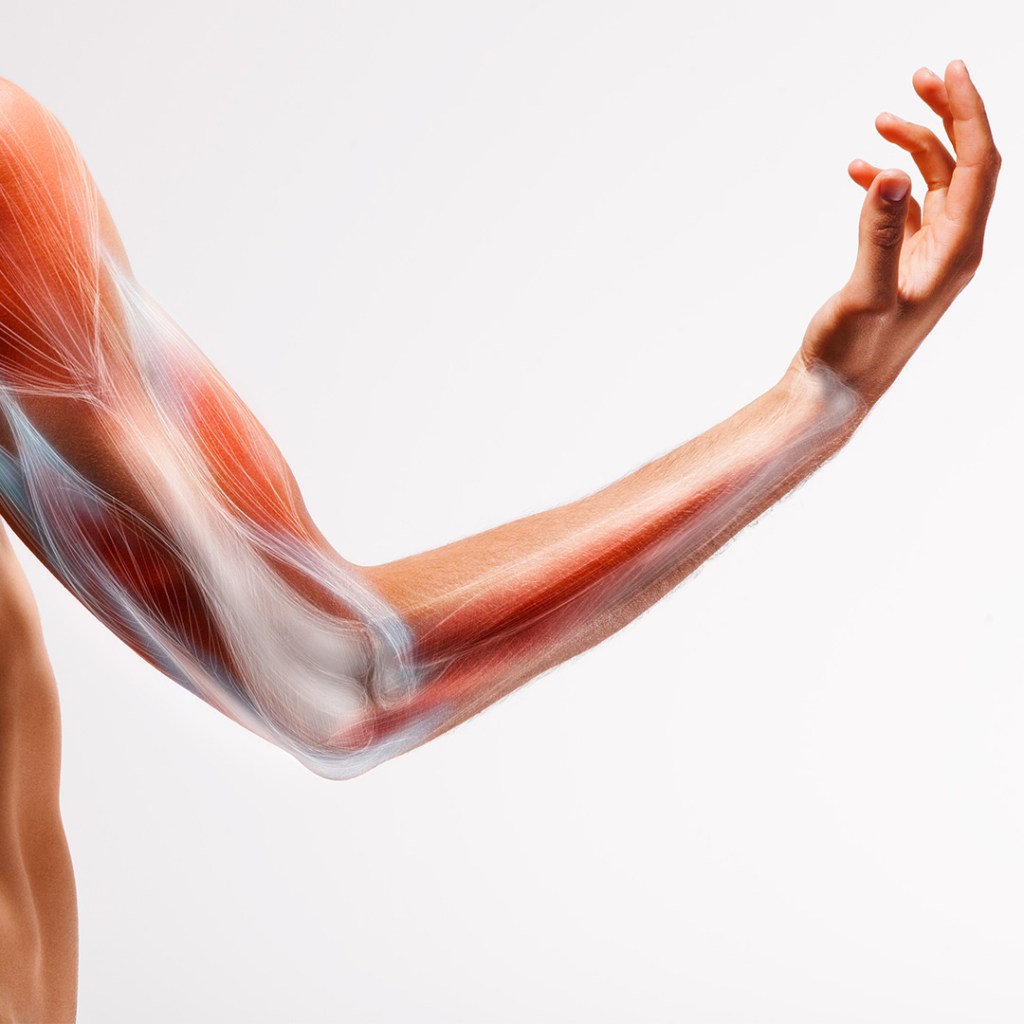
Common signs of tendinopathy include:2
Symptoms may appear gradually and can fluctuate with activity levels.
The most effective management combines symptom management, mechanical rehabilitation, and support for the tendon environment during recovery. A tailored treatment plan may include:

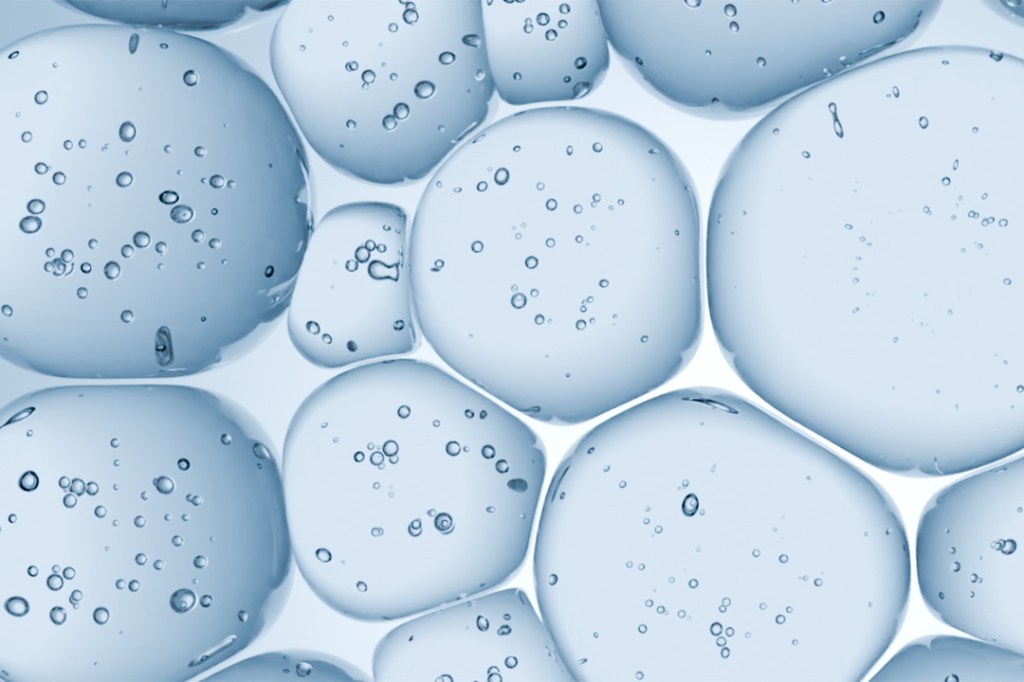
When applied around the affected tendon, hyaluronic acid acts primarily as a lubricant and structural support, helping to restore normal function.7–10
Physiological support: By creating a hydrated framework, it helps maintain the optimal physiological environment for natural tissue repair7,10

Xu Y, Murrell GAC. The Basic Science of Tendinopathy. Clinical Orthopaedics and Related Research. 2008;466(7):1528–1538.
Tendonitis. NHS. Available at: https://www.nhs.uk/conditions/tendonitis/ (accessed December 2025).
Loiacono C, Palermi S, Massa B, et al. Tendinopathy: Pathophysiology, Therapeutic Options, and Role of Nutraceutics. A Narrative Literature Review. Med Kaunas Lith. 2019;55(8):447.
Leone L, Raffa S, Vetrano M, et al. Extracorporeal Shock Wave Treatment (ESWT) enhances the in vitro -induced differentiation of human tendon-derived stem/progenitor cells (hTSPCs). Oncotarget. 2016;7(6):6410–6423.
Davis A, Robson J. The dangers of NSAIDs: look both ways. Br J Gen Pract J R Coll Gen Pract. 2016;66(645):172–173.
Dean BJF, Lostis E, Oakley T, et al. The risks and benefits of glucocorticoid treatment for tendinopathy: a systematic review of the effects of local glucocorticoid on tendon. Semin Arthritis Rheum. 2014;43(4):570–576.
Abate M, Schiavone C, Salini V. The Use of Hyaluronic Acid after Tendon Surgery and in Tendinopathies. BioMed Res Int. 2014;2014:e783632.
Flores C, Balius R, Álvarez G, et al. Efficacy and Tolerability of Peritendinous Hyaluronic Acid in Patients with Supraspinatus Tendinopathy: a Multicenter, Randomized, Controlled Trial. Sports Med – Open. 2017;3(1):22.
de Rezende MU, de Campos GC. Viscosupplementation. Rev Bras Ortop Engl Ed. 2012;47(2):160–164.
Agostini F, de Sire A, Savina A, et al. Effectiveness of Ultrasound-Guided Peritendinous Injection Treatment with Low Molecular Weight Hyaluronic Acid in Patients with Supraspinatus Tendinopathy. Journal of Clinical Medicine. 2025;14(17):6291–6291.
Ostenil® Tendon IFU. Available at: https://www.trbchemedica.de/mediathek/ostenil-tendon-beipackzettel-ifu-mdr/ (accessed December 2025).
This website is intended for an international audience and may include information about products that are not available in all countries or may be marketed under different trademarks, indications, or dosages. The content is provided for general information only and should not be considered medical advice or a substitute for guidance from a healthcare professional. Information on this website should not be interpreted as a solicitation or promotion of any medical device or drug.